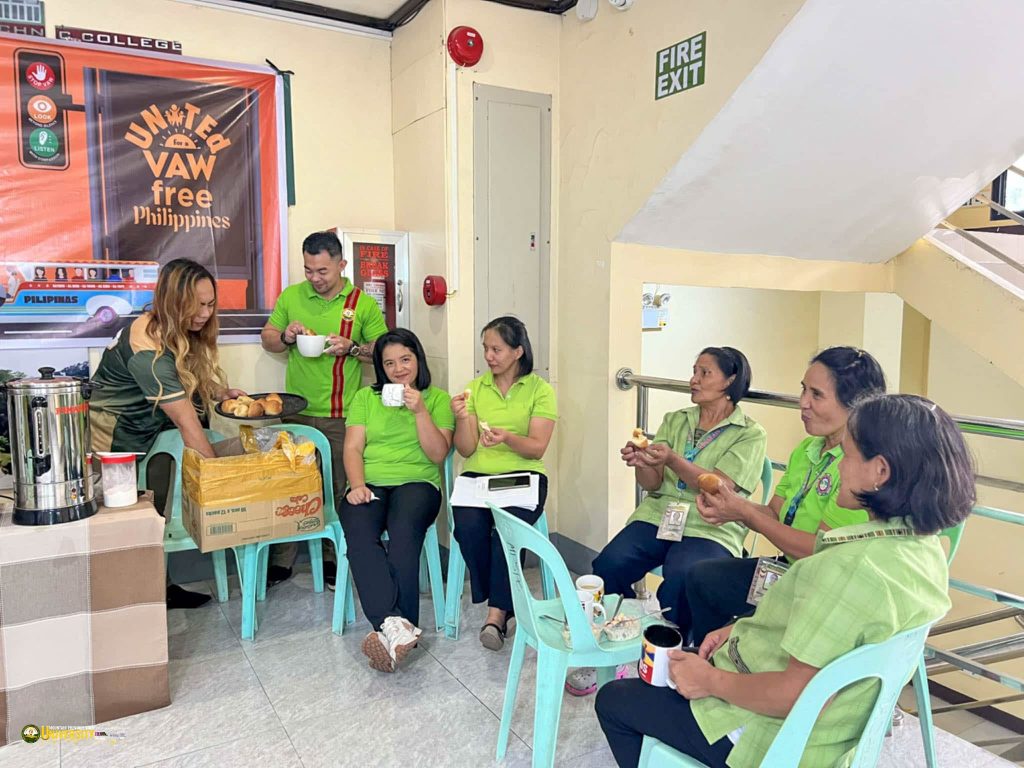
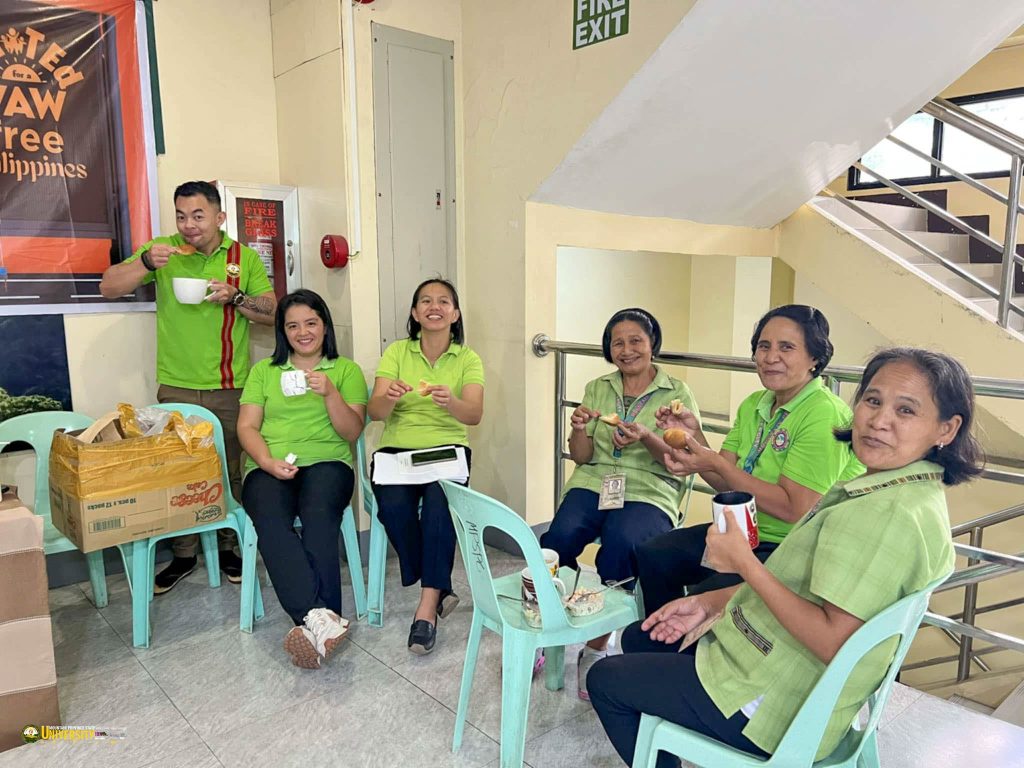
In solidarity with the national observance of the 18-Day Campaign to End Violence Against Women (VAW), Mountain Province State University (MPSU), through its Gender and Development (GAD) Office, conducted a “Kapihan at MPSU” activity on December 2–3, 2025, held at the MPSU 3rd Floor Lobby.
The initiative aimed to create a safe, supportive, and confidential environment where employees, students, and members of the university community could openly discuss their concerns related to gender issues, violence against women, and personal well-being. The Kapihan provided not only a space for open dialogue but also an atmosphere of inclusion, healing, and empowerment.
Over the two-day course, the Gender and Development Unit and the Happiness Centre Unit engaged with participants, gently opening conversations about gender sensitivity, mutual respect, and the importance of maintaining safe spaces within the university. Discussions moved easily between work and study, and the atmosphere stayed warm and supportive throughout. The space felt empowering, trust-filled, and genuinely open — a quiet reinforcement of the ethos of a VAWC-free community and the role of compassionate dialogue in preventing violence and discrimination.
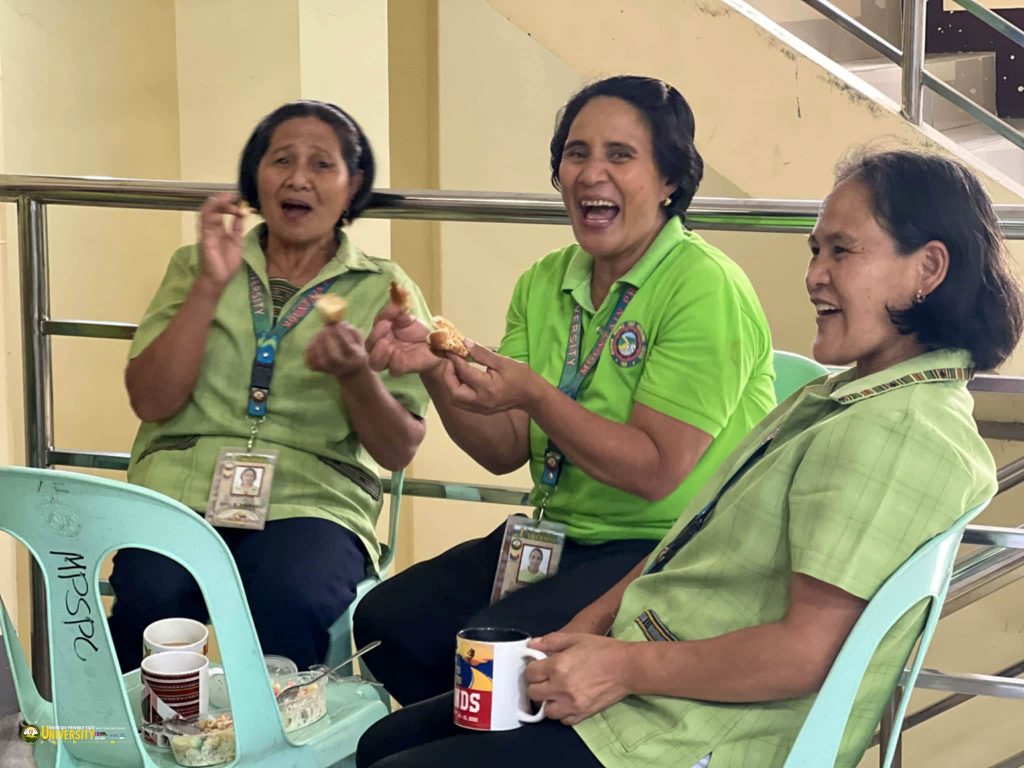
While the activity formed part of the 18-day campaign to end violence against women, it also carried a smaller but meaningful detail that spoke to the well-being of the university community: free coffee and bread were provided to all MPSU employees throughout the two days. More than a simple refreshment, this gesture reflected the university’s care for the daily nourishment of its people — making sure that no employee sat through the sessions hungry, and that participation never came at the cost of a missed meal. In its own modest way, this ties directly to SDG 2 (Zero Hunger): ensuring that members of the MPSU community have consistent access to food during institutional activities, and that well-being begins with something as fundamental as a warm cup of coffee and bread to start the conversation.
The Kapihan also subtly encouraged participants to become more mindful of their roles in promoting gender equality. Informal exchanges allowed GAD advocates to highlight the importance of recognizing safe spaces within the university and understanding how these contribute to preventing violence and discrimination. Participants were also reminded that MPSU offers support mechanisms that individuals can access should they experience or witness VAWC-related concerns. This quiet form of awareness-building allowed the essence of the campaign to be felt without requiring explicit conversations on sensitive topics.
At the close of the two-day activity, “Kapihan at MPSU” stood as a gentle yet meaningful initiative that supported the university’s commitment to the nationwide movement to end VAW. Through simple conversations and shared spaces, MPSU reaffirmed its role in fostering a campus environment where safety, respect, and empowerment are upheld for all.