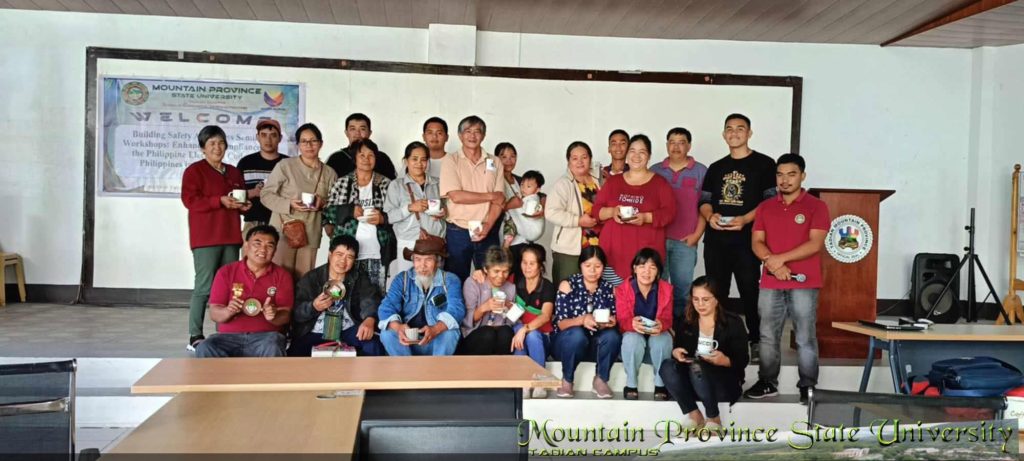
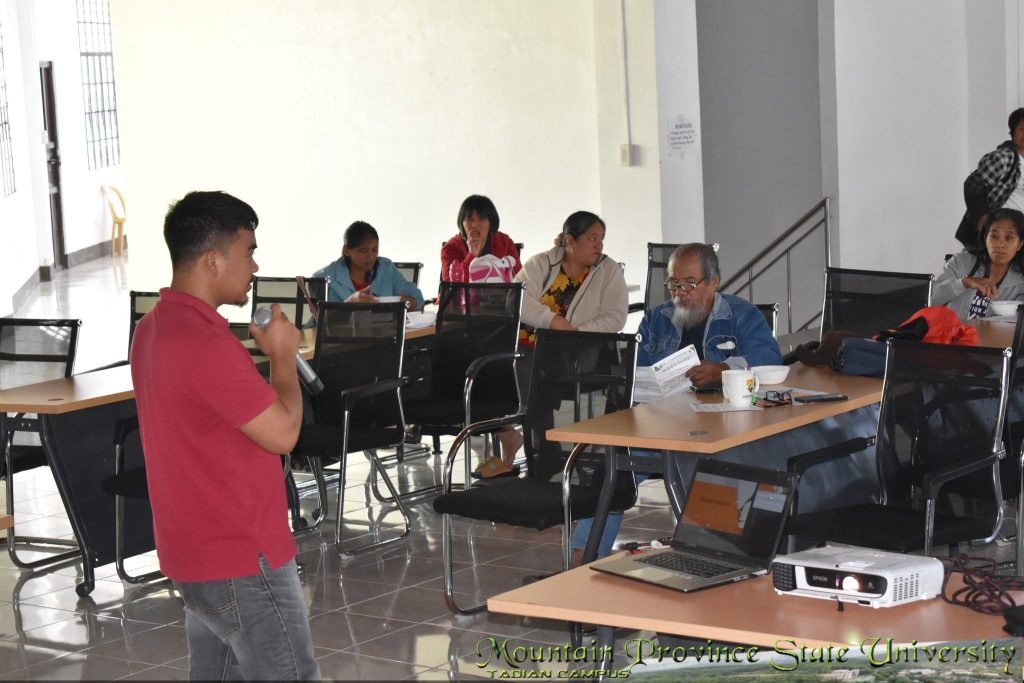
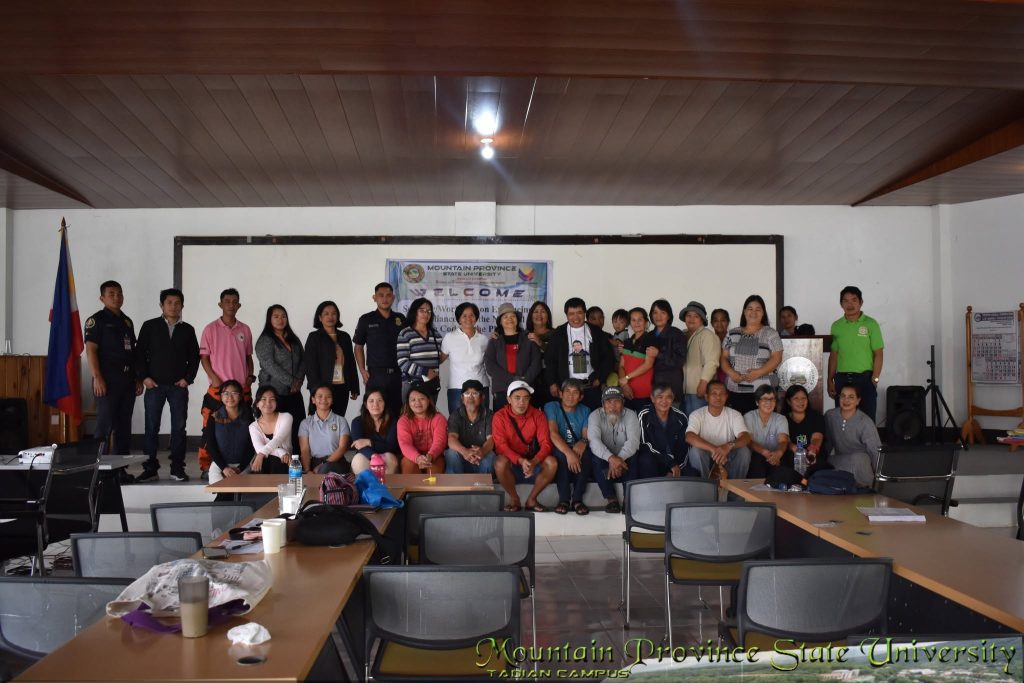
TADIAN, MOUNTAIN PROVINCE — Driving local capability toward sustainable and energy-efficient community development, the Mountain Province State University (MPSU) School of Engineering successfully spearheaded a three-day community extension series at the 4th Floor of the Tadian Trading Center from December 10 to 12, 2025.
The initiative, strategically designed to empower local stakeholders, builders, and community leaders, placed a heavy emphasis on resilient infrastructure and the core targets of United Nations Sustainable Development Goal 7 (Affordable and Clean Energy).
The critical link between community safety and energy efficiency was the focal point of the final day, concluding with a specialized seminar led by the Electrical Engineering Program faculty. Titled “Building Safety Awareness: Enhancing Compliance with the Philippine Electrical Code,” the session addressed the urgent need for optimized energy use in off-campus residential and commercial sectors. Faculty experts educated local constituents on proper electrical load management, correct wire sizing, and thermal loss prevention. By strictly adhering to the Philippine Electrical Code, communities not only mitigate the severe risks of electrical fires but also drastically reduce power wastage—a direct contribution to the SDG 7 target of doubling the global rate of improvement in energy efficiency.
The groundwork for sustainable structural design was laid earlier in the series by the Civil Engineering Program, which led a session on “Enhancing Compliance with the National Building Code of the Philippines.” This seminar emphasized that energy conservation begins with architectural and structural integrity. Faculty members trained local builders and municipal stakeholders on regulatory standards that intrinsically govern green building principles, including natural ventilation, optimal daylight harvesting, and passive cooling. By ensuring new and retrofitted structures comply with these codes, the community can significantly lower its baseline grid demand and reduce its reliance on mechanical cooling and artificial lighting.
Furthermore, resilient infrastructure must be protected against climate and environmental threats to ensure uninterrupted energy access. Opening the three-day series, the Geodetic Engineering Program facilitated a seminar-workshop titled “Information Sessions on Landslide Risks and Sustainability.” This session provided critical geographical insights to ensure that local infrastructural developments—including municipal power lines and future renewable energy installations—are built on stable ground and protected from highland climate impacts.
Through this comprehensive, multi-disciplinary extension series, the MPSU School of Engineering continues to translate technical academic expertise into grassroots capability. By integrating the Philippine Electrical Code, the National Building Code, and disaster risk management, the university actively equips the municipality of Tadian with the knowledge necessary to build a safer, highly efficient, and energy-secure future.