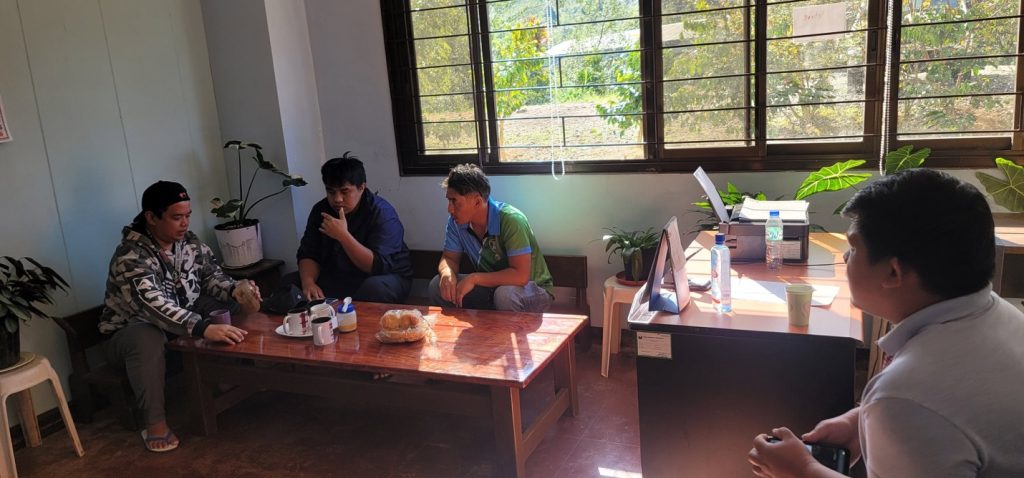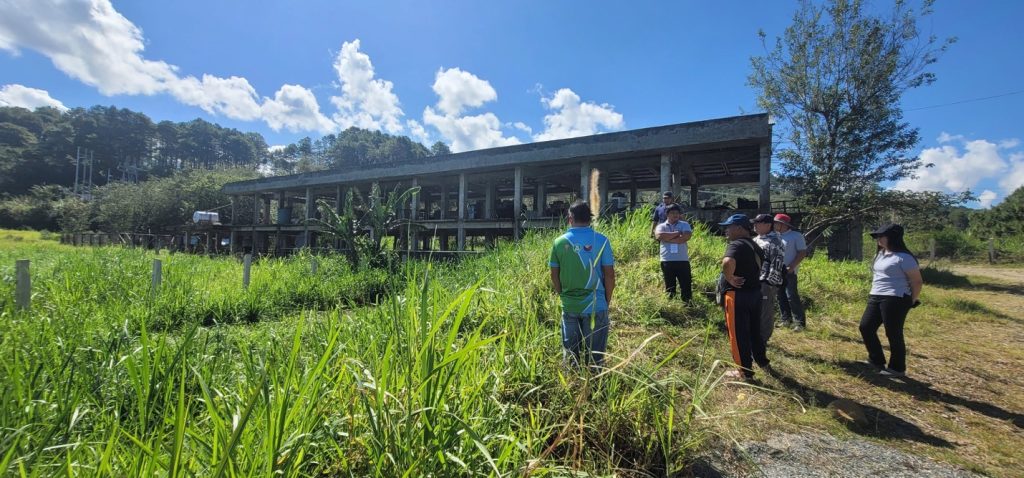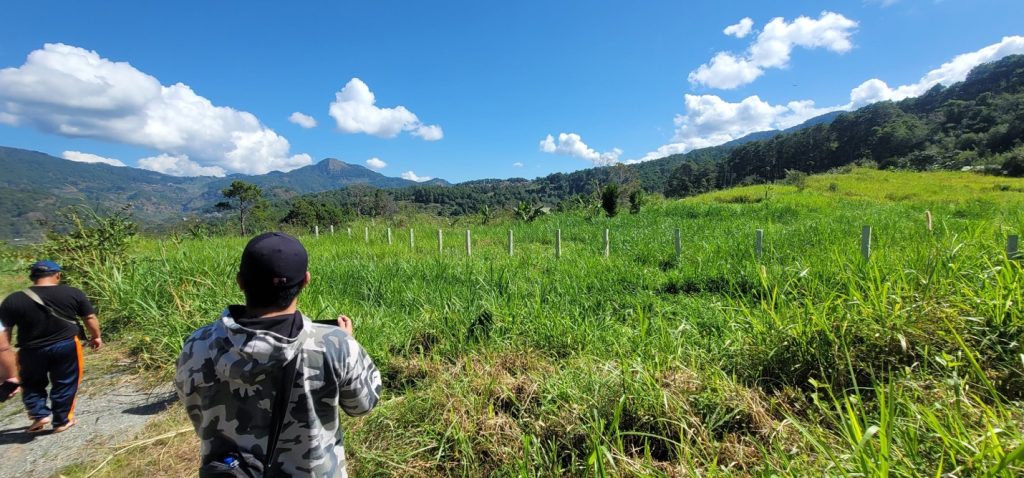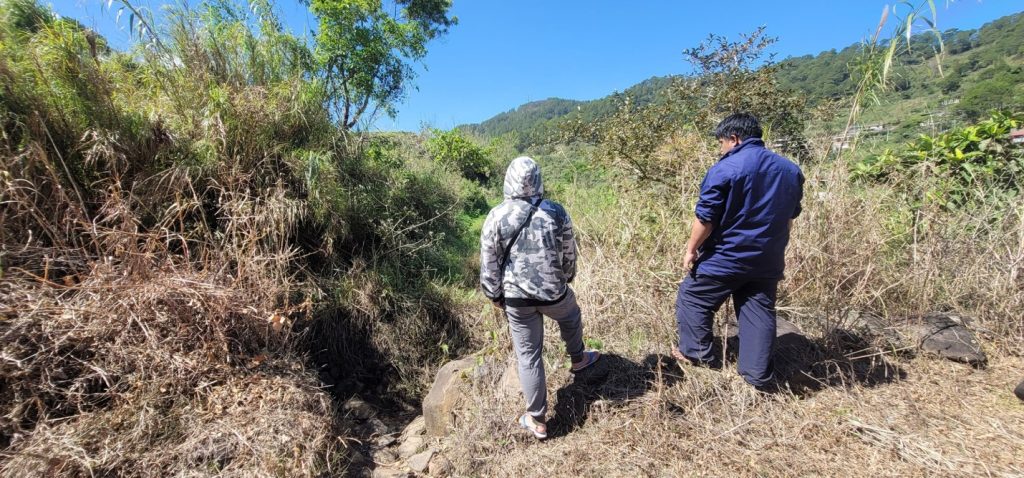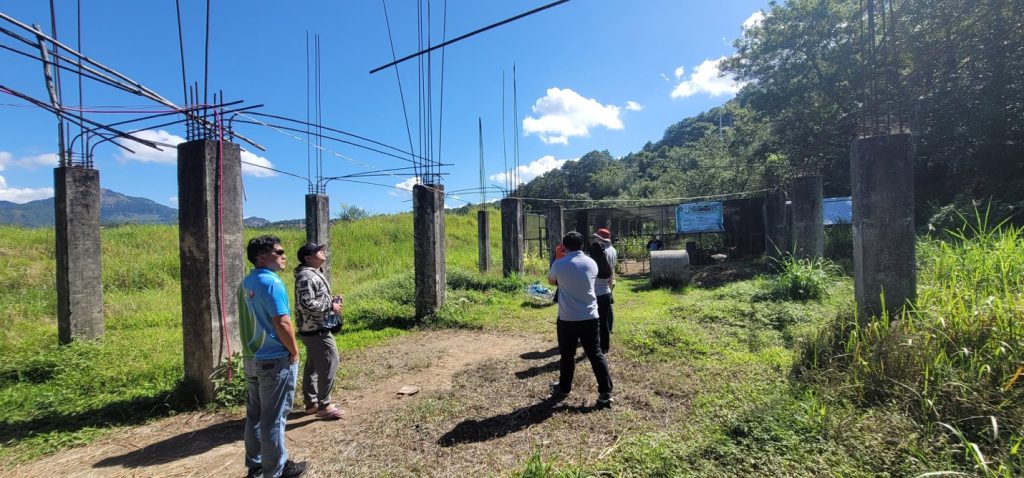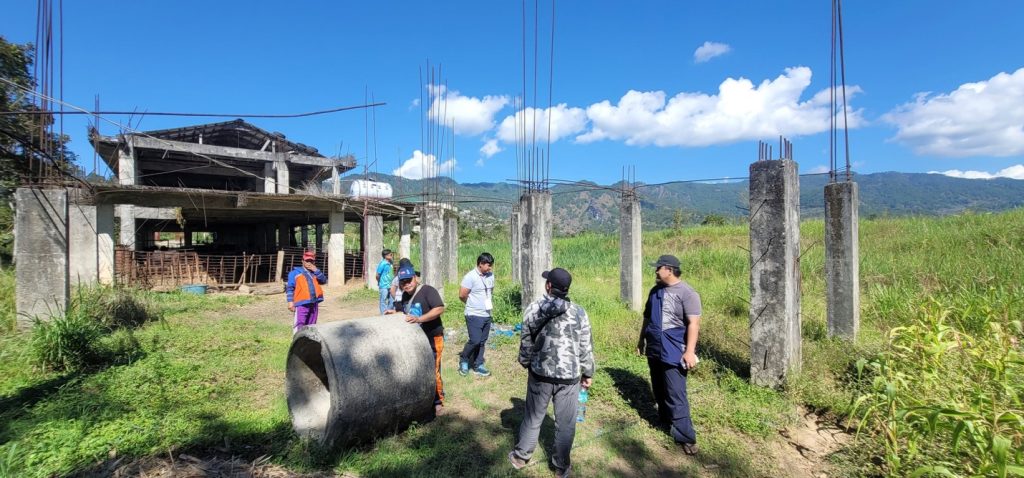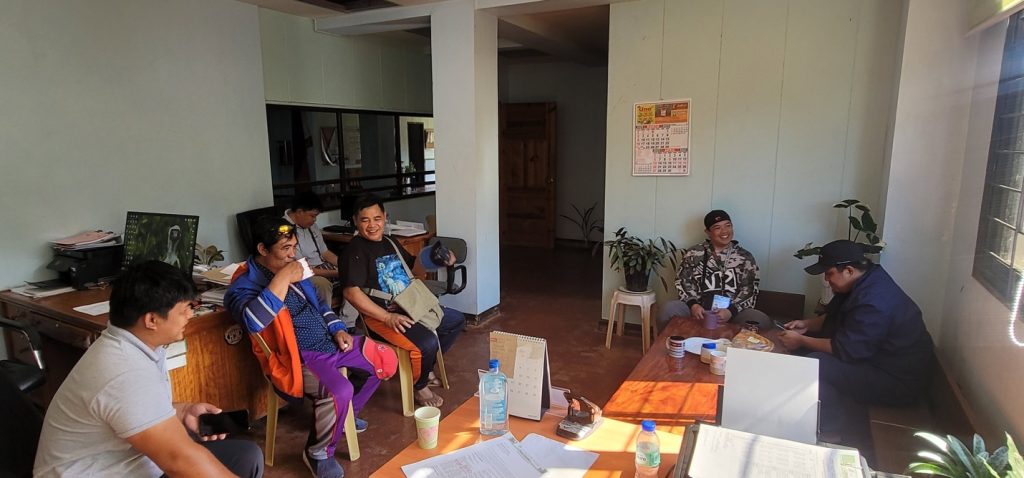
Preparing for periods of limited water availability was the focus of a joint planning meeting involving Mountain Province State University (MPSU), the National Irrigation Administration–Bontoc, and the Barangay Local Government Unit of Banao on March 5, 2025, at the Victor S. Dominguez Research, Extension and Development Center in Ba-ang, Bauko.
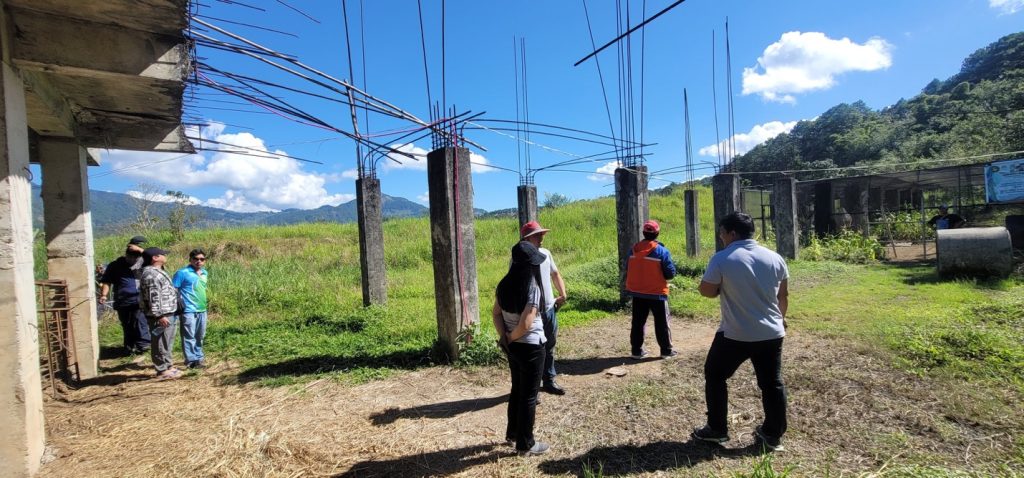
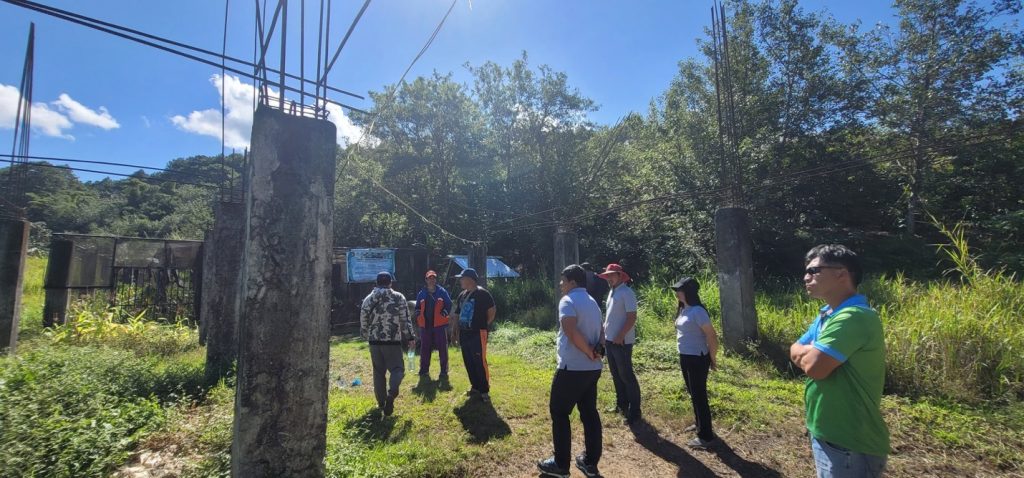
The meeting and site inspection concerned the proposed Solar Pump Irrigation Project requested by University President Dr. Edgar G. Cue to help address water-supply difficulties at the Bauko Campus and nearby areas, particularly during summer.
For the center, a dependable water supply is essential to maintaining its coffee nursery, demonstration plots, and other agricultural activities. Nearby farming areas in Barangay Banao face similar concerns when dry conditions reduce the water available for irrigation. The partners discussed recurring summer shortages and the risk that prolonged dry periods could further disrupt agricultural production.
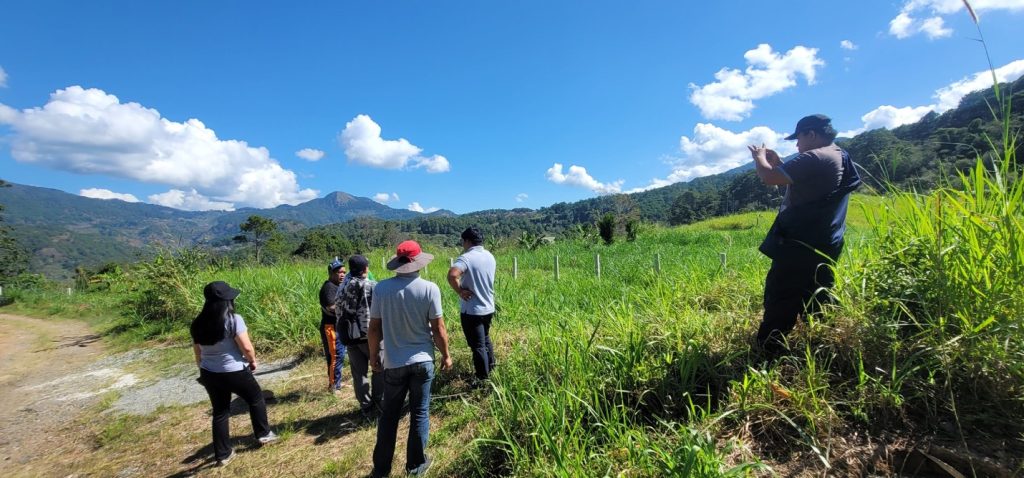
MPSU contributed information on the center’s seasonal water shortages, existing water-supply arrangements, and agricultural water requirements. University representatives also identified possible installation sites and guided the visitors through areas that could be served by the proposed system.
NIA-Bontoc personnel conducted an initial site inspection and assessment of potential water sources, pumping locations, and elevation differences to explore the suitability of a solar-powered irrigation system. These considerations will inform the technical design and help determine whether the proposed system can provide a reliable supply during periods of reduced water availability.
BLGU-Banao contributed local knowledge of water availability, nearby farmers’ needs, site access, and community concerns. Its participation helped connect the proposed project with conditions experienced by residents and the practical requirements of serving nearby farming areas.
The partners agreed to conduct a follow-up technical survey, validate water availability during the dry season, identify the intended service area and beneficiaries, and prepare the project requirements before the next dry season. MPSU will provide campus information and coordinate access to proposed sites, NIA-Bontoc will lead the technical assessment, and BLGU-Banao will assist in community coordination and validation of local needs.
The planning also considered how improved irrigation could help the University and intended community beneficiaries prepare for drought and prolonged dry periods. Using solar energy for pumping offers an opportunity to improve water access while reducing reliance on fuel-powered equipment. The project’s feasibility will depend on a suitable water source, appropriate system design, and clear arrangements for responsible water use, operation, and maintenance.
Through this local planning effort, MPSU and its government partners are working toward a coordinated response to water scarcity—one that supports agricultural continuity and helps the campus and surrounding community prepare for increasingly challenging dry conditions.
#SDG13ClimateAction
#SDG6CleanWaterAndSanitation
#SDG17PartnershipsForTheGoals
#SDG7AffordableAndCleanEnergy